Glucagon: the emergency medicine people skip because of cost
Cost should be addressed before the emergency, not during it.
Updated August 2026 · 4 min read
The 30-second version
- The best glucagon product is the one your caregiver can find and use correctly under stress
- Check the formulary across every form: nasal, autoinjector, and traditional kit. A nonpreferred product can cost hundreds more
- Baqsimi, Gvoke, and Zegalogue each maintain savings pathways, but copay cards generally exclude Medicare and Medicaid
- Set a calendar reminder 30 to 60 days before expiration. An expired device should never quietly become the only plan
Glucagon is for severe hypoglycemia when a person can't safely swallow, is unconscious, has a seizure, or needs help from someone else. Cost should be addressed before the emergency, not during it.
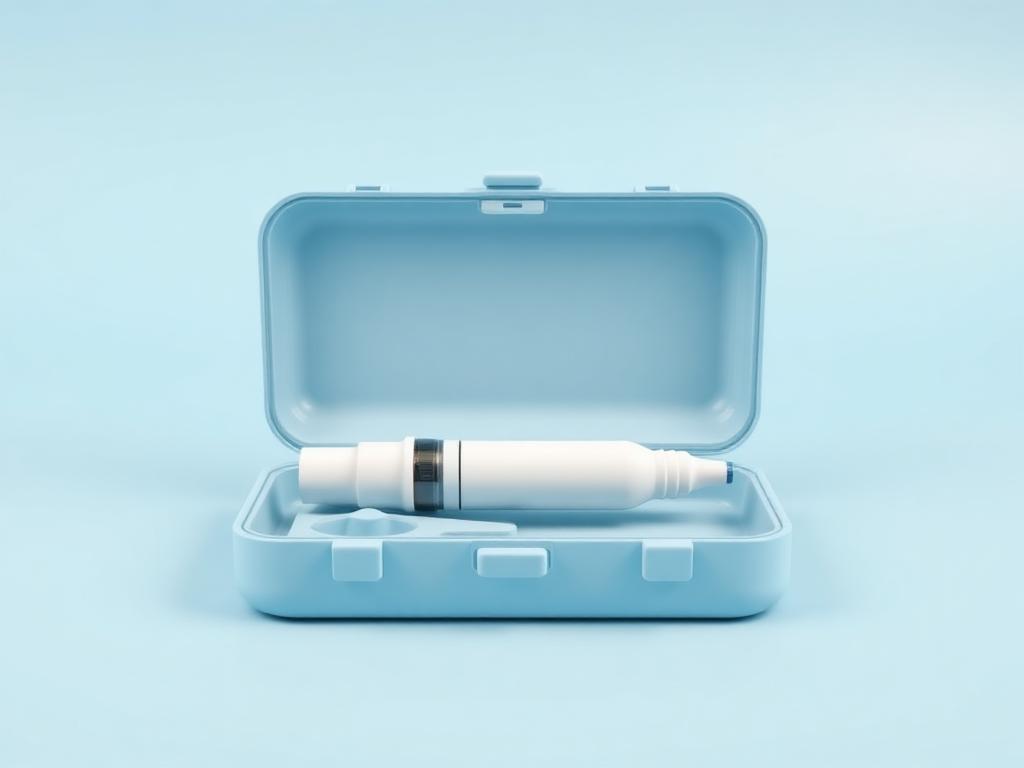
Current options include nasal glucagon, ready-to-use autoinjectors or prefilled syringes, and traditional emergency kits that require mixing. The best product is the one the caregiver can find and use correctly. Cash prices vary widely by pharmacy, formulation, and discount, so always check current pricing directly rather than relying on a number that could be stale by the time you read this.
Lowering the cost
Check the plan formulary across every form of glucagon. A nonpreferred nasal product may cost hundreds while a preferred autoinjector or kit has a modest copay. Ask the prescriber to send the covered formulation, or submit an exception if disability, school use, caregiver limitations, or prior failure makes the preferred product unsuitable.
Manufacturers of Baqsimi, Gvoke, and Zegalogue maintain savings or assistance pathways with eligibility restrictions. Copay cards generally exclude Medicare and Medicaid. PAP availability, income limits, and covered products change, so check the official page for the current version.
Replacement strategy
Keep glucagon wherever severe lows are most likely to be managed: home, school, work, sports bag, or a caregiver's home. Store it within labeled temperature limits. Record the expiration date on a calendar and request replacement 30 to 60 days early. After use, replace it immediately and review the event with your diabetes team.
Train at least two people. Show them where it is, when to use it, how to call emergency services, and how to position the person after dosing. Schools and workplaces may require a medication authorization or individual health plan.
Don't let an expired device quietly become the only emergency plan. If a replacement is unaffordable, ask the pharmacist to price every covered formulation and contact the manufacturer the same day.
Sources
- ADA, severe hypoglycemia guidance
- Baqsimi, Gvoke, and Zegalogue official savings pages
Reading is the second step. Finding out what you qualify for is the first.
Keep reading
Biosimilar and unbranded insulins: are they actually the same?
"Generic insulin" can mean several different things, and the labels matter for switching and pricing.
Insulin is not the whole diabetes bill
A person can get insulin for $35 and still not afford the tools needed to dose it safely.
CGM assistance, manufacturer by manufacturer
When a CGM is unaffordable, first figure out whether the problem is no coverage, a high deductible, the wrong benefit channel, or a claim error.
Glucopath is not medical or legal advice. Program rules change. Verify details with the program before you apply, and talk to your healthcare provider about your treatment.